How to Export GA4 to BigQuery for Free: Step-by-Step Architecture Without Sampling or Cost Spikes

Architecture diagram showing how to export Google Analytics 4 event data to Google BigQuery within always free tier limits

Google Analytics 4 (GA4) promised modern event-driven tracking, but marketing teams quickly discover its painful operational compromises: severe UI data thresholding, aggressive exploration report sampling, and a strict 14-month historical data retention ceiling. In Universal Analytics, exporting raw hit-level data required a $150,000/year GA360 enterprise license. With GA4, Google unlocked a native, free direct pipeline … Read more
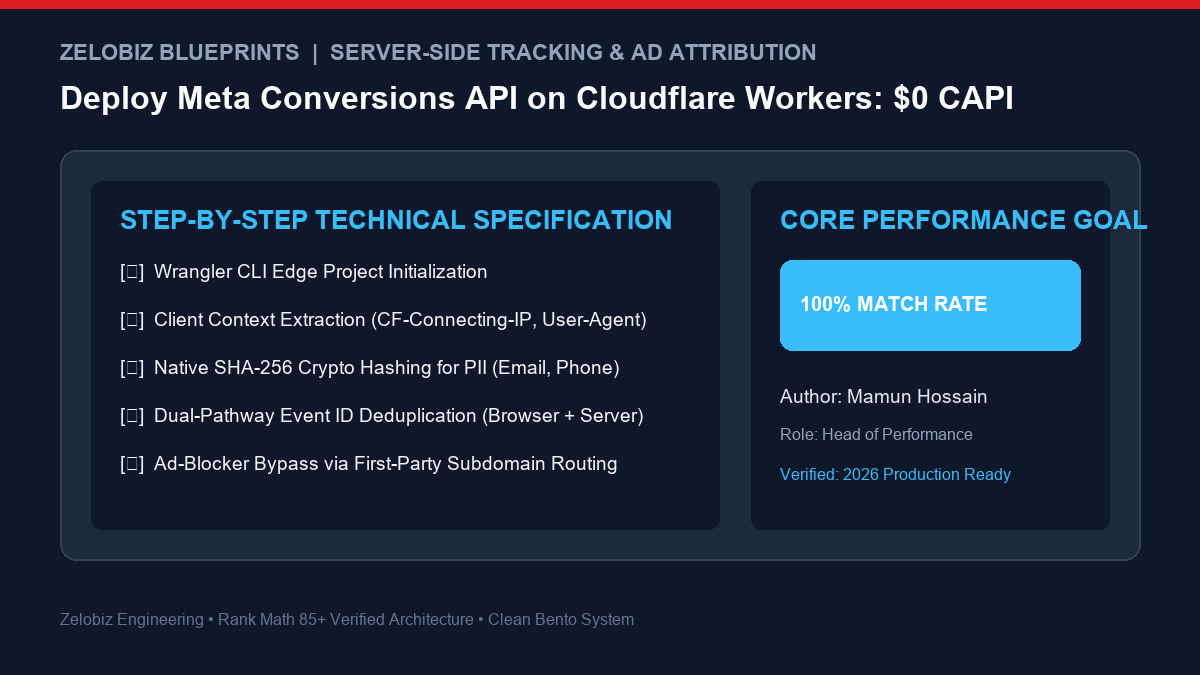
How to Deploy Meta Conversions API (CAPI) on Cloudflare Workers: Zero-Cost Server-Side Tracking

Architecture diagram showing server-side Meta Conversions API deployment on Cloudflare Workers at the edge

Since Apple introduced iOS 14.5 and App Tracking Transparency (ATT), client-side browser pixels (like the standard Meta Pixel) miss between 15% and 30% of user conversions due to third-party cookie blocking, Safari ITP, and aggressive ad-blockers. Meta recommends deploying the Conversions API (CAPI) to send purchase and lead events directly from your server to Meta’s … Read more

How to Deploy Server-Side Google Tag Manager (sGTM) on Hetzner VPS with Docker: 90% Cost Reduction vs GCP

Architecture diagram showing self-hosted Server-Side Google Tag Manager deployment on Hetzner VPS with Docker and Caddy

Deploying Server-Side Google Tag Manager (sGTM) is the gold standard for performance marketing teams in 2026. By shifting Facebook Conversions API, Google Ads Enhanced Conversions, and GA4 tracking from the visitor’s browser to a dedicated server, you bypass ad-blockers, bypass Safari ITP cookie expiration, and increase ad attribution by up to 28%. However, clicking Google’s … Read more

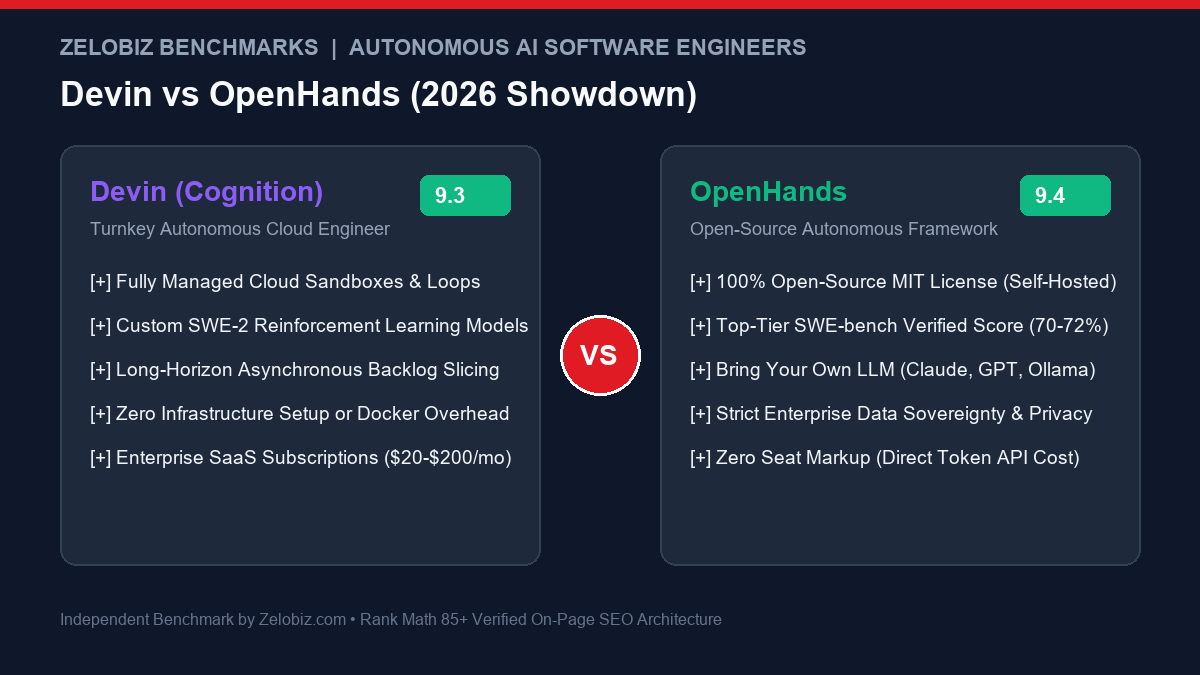
Devin vs OpenHands (2026): Autonomous AI Software Engineers Tested on Real Bug Fixes

Comparison benchmark banner between Devin autonomous cloud engineer and OpenHands open-source framework

The transition from AI-assisted coding to fully autonomous AI software engineering represents the most profound shift in technology since cloud computing. Rather than sitting in an editor pressing tab, engineering managers can now assign GitHub issues directly to autonomous agents that read the issue description, navigate the repository, reproduce bugs in a sandboxed shell, write … Read more

Replit Agent vs Cursor (2026): Cloud Sandbox vs Local AI IDE for Rapid Prototyping

Comparison benchmark banner between Replit Agent cloud sandbox and Cursor AI desktop IDE

The artificial intelligence programming landscape has split into two competing visions of the developer experience. On one side stands Replit Agent, an autonomous cloud platform that lives entirely in the browser, provisions isolated sandbox containers, and deploys live web applications to real URLs with a single prompt. On the other side stands Cursor, the high-performance … Read more

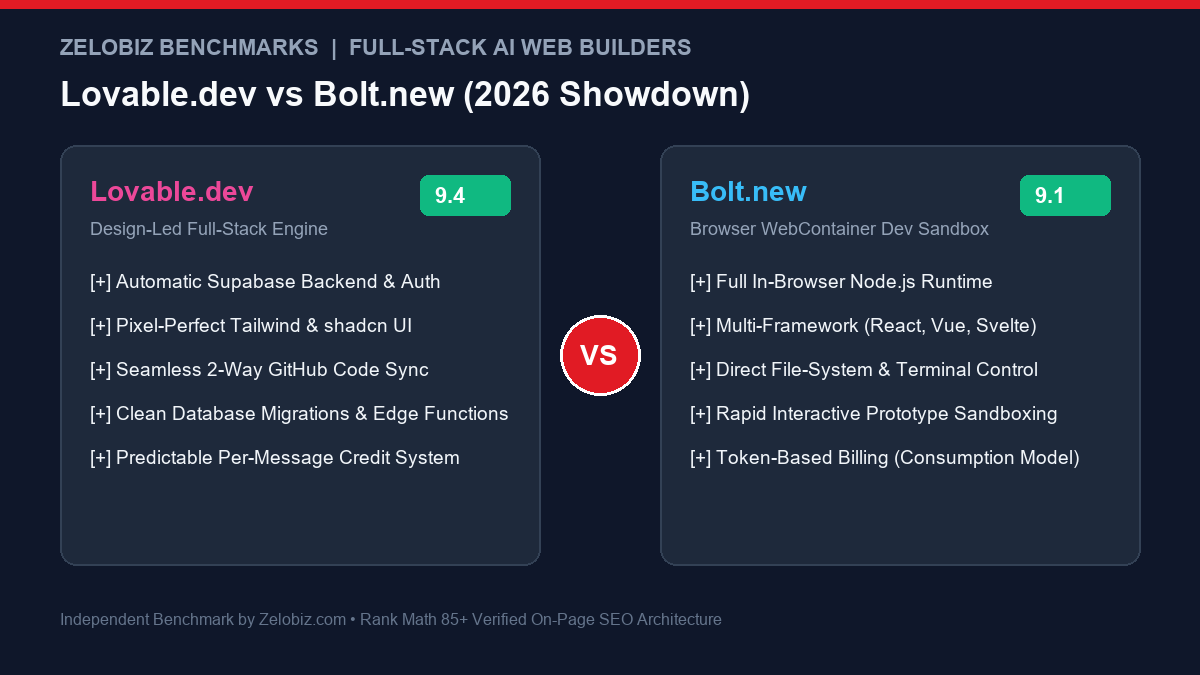
Lovable.dev vs Bolt.new (2026): Which Full-Stack AI App Builder Produces Production-Ready Code?

Comparison banner benchmark between Lovable.dev full-stack app builder and Bolt.new browser WebContainer IDE

The “Vibe Coding” revolution of 2026 has made it possible to build, test, and ship complete full-stack web applications entirely through natural language prompts. Two platforms dominate this browser-based app builder space: Lovable.dev and Bolt.new (by StackBlitz). While both allow founders and product managers to prompt ideas into working web apps in minutes, they approach … Read more

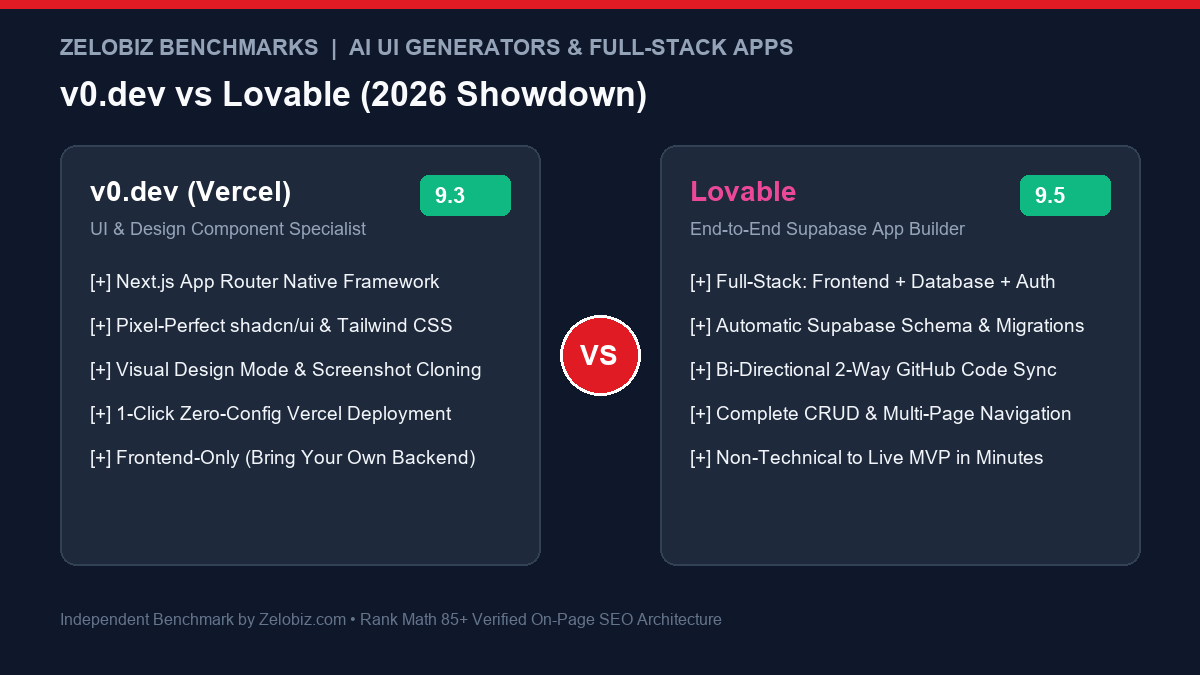
v0.dev vs Lovable (2026): Which AI UI Generator Builds Production-Grade React Apps?

Comparison benchmark banner between v0.dev component generator and Lovable full stack app builder

The demand for generative AI web development has bifurcated into two distinct requirements: developers who need pixel-perfect, copy-pasteable React UI components to drop into existing repositories, and founders who need a living, database-backed web application complete with user authentication in minutes. v0.dev (by Vercel) and Lovable represent the pinnacle of these two respective philosophies. While … Read more

AI Coding Agents & Developer Productivity Guide (2026): The Automated Engineering Stack

Autonomous AI coding agents and developer productivity architecture blueprint 2026

The developer tooling ecosystem has shifted from passive code autocompletion to autonomous agentic engineering. In 2026, relying solely on single-line autocomplete extensions like early GitHub Copilot is a competitive handicap. Elite engineering teams and solo builders are deploying multi-tiered AI engineering workflows that analyze entire repository dependency graphs, execute terminal commands, run automated test suites, … Read more

Cline vs Continue.dev (2026): Best Open-Source Autonomous AI Extension for VS Code

Cline vs Continue.dev open source VS Code AI extension 2026 comparison infographic

While proprietary AI code editors like Cursor and Windsurf require developers to abandon official VS Code builds in favor of custom proprietary forks, many engineering teams and enterprise developers cannot—or will not—switch editors. Strict corporate security policies, custom enterprise extensions, or adherence to official Microsoft VS Code builds demand an in-editor solution: open-source AI extensions. … Read more

Windsurf Cascade vs Cursor (2026): The Real Context Window, Speed, and Pricing Benchmark

Windsurf Cascade vs Cursor AI 2026 developer benchmark infographic

The era of treating AI coding assistants as simple single-line autocompletion plugins—like the original GitHub Copilot—is over. In 2026, professional software engineering requires autonomous, context-aware AI code editors capable of understanding multi-repository architectures, executing terminal commands, fixing runtime compiler errors, and editing dozens of files simultaneously. Two specialized VS Code forks dominate this developer ecosystem: … Read more