Activepieces vs Make.com (2026 Showdown): Open-Source Self-Hosted Docker vs Cloud Automation

Comparison benchmark banner between Activepieces open-source Docker automation and Make.com visual cloud builder

Visual automation builders allow agencies and operations teams to map intricate business logic without writing raw glue code. For years, Make.com (formerly Integromat) reigned supreme as the undisputed king of visual multi-branch automation, celebrated for its circular node canvas and granular data filtering. However, as enterprise privacy laws tighten and Make’s per-operation billing model penalizes … Read more

n8n Self-Hosted vs Zapier (2026 Showdown): Real Cloud TCO, Maintenance Overhead & Security

Comparison benchmark banner between n8n self-hosted workflow automation and Zapier SaaS

For digital agencies, B2B SaaS teams, and performance marketing organizations, workflow automation is the operational nervous system. However, as business processes scale from simple two-step triggers into complex, multi-branch data pipelines, companies inevitably hit the Zapier Tax. Because Zapier bills on a strict per-task model, an automation that extracts, enriches, qualifies, and routes leads across … Read more

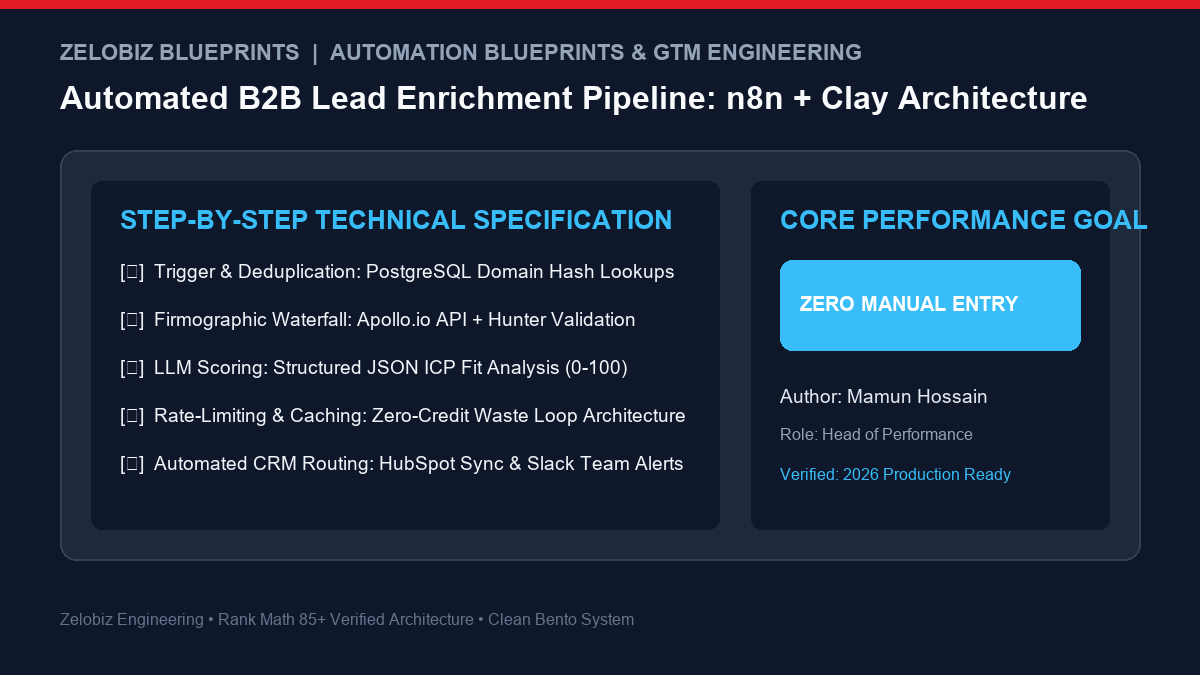
How to Build an Automated B2B Lead Enrichment Pipeline with n8n and Clay: Step-by-Step Architecture

System architecture diagram showing automated B2B lead enrichment pipeline with n8n, Apollo API, Hunter, and AI scoring

Modern B2B Go-To-Market (GTM) teams spend thousands of dollars each month on enterprise data enrichment subscriptions like Clay, ZoomInfo, and Clearbit. While Clay provides a slick spreadsheet interface, agencies and scaling startups quickly run into prohibitive credit costs when enriching tens of thousands of outbound prospects. By architecting an automated lead enrichment pipeline using n8n … Read more

Devin vs OpenHands (2026): Autonomous AI Software Engineers Tested on Real Bug Fixes

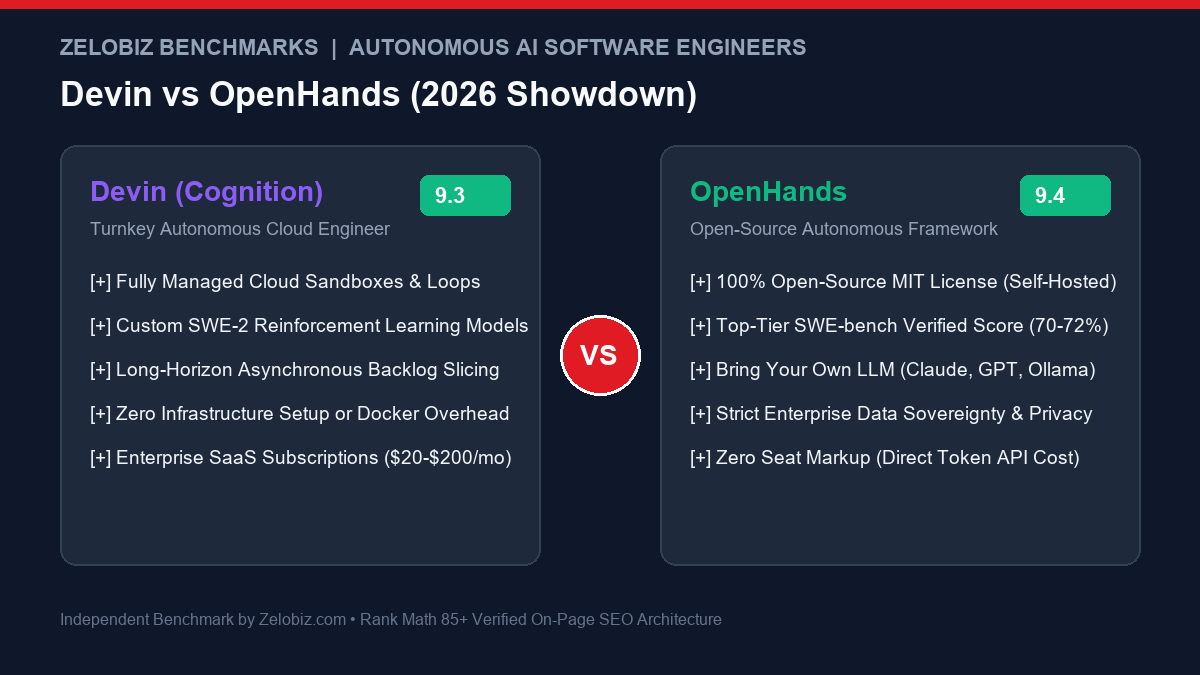
Comparison benchmark banner between Devin autonomous cloud engineer and OpenHands open-source framework

The transition from AI-assisted coding to fully autonomous AI software engineering represents the most profound shift in technology since cloud computing. Rather than sitting in an editor pressing tab, engineering managers can now assign GitHub issues directly to autonomous agents that read the issue description, navigate the repository, reproduce bugs in a sandboxed shell, write … Read more

Replit Agent vs Cursor (2026): Cloud Sandbox vs Local AI IDE for Rapid Prototyping

Comparison benchmark banner between Replit Agent cloud sandbox and Cursor AI desktop IDE

The artificial intelligence programming landscape has split into two competing visions of the developer experience. On one side stands Replit Agent, an autonomous cloud platform that lives entirely in the browser, provisions isolated sandbox containers, and deploys live web applications to real URLs with a single prompt. On the other side stands Cursor, the high-performance … Read more

Lovable.dev vs Bolt.new (2026): Which Full-Stack AI App Builder Produces Production-Ready Code?

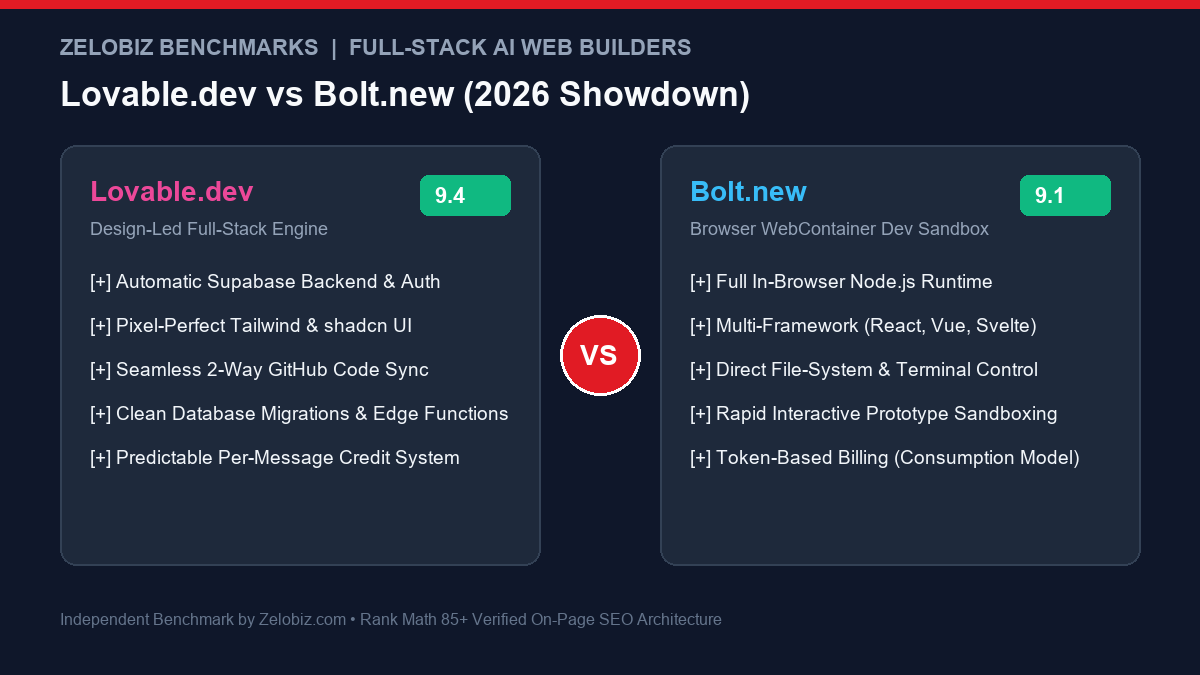
Comparison banner benchmark between Lovable.dev full-stack app builder and Bolt.new browser WebContainer IDE

The “Vibe Coding” revolution of 2026 has made it possible to build, test, and ship complete full-stack web applications entirely through natural language prompts. Two platforms dominate this browser-based app builder space: Lovable.dev and Bolt.new (by StackBlitz). While both allow founders and product managers to prompt ideas into working web apps in minutes, they approach … Read more

v0.dev vs Lovable (2026): Which AI UI Generator Builds Production-Grade React Apps?

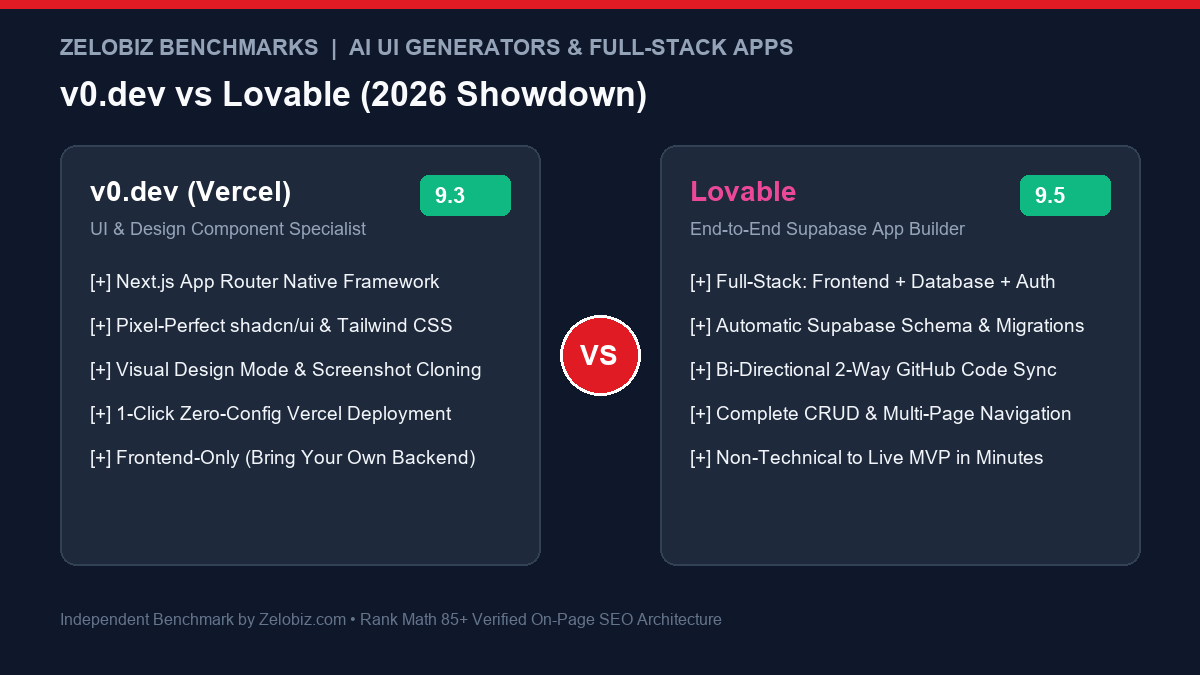
Comparison benchmark banner between v0.dev component generator and Lovable full stack app builder

The demand for generative AI web development has bifurcated into two distinct requirements: developers who need pixel-perfect, copy-pasteable React UI components to drop into existing repositories, and founders who need a living, database-backed web application complete with user authentication in minutes. v0.dev (by Vercel) and Lovable represent the pinnacle of these two respective philosophies. While … Read more

Self-Hosted Business Infrastructure Guide (2026): Ditching Cloud SaaS Fees Without Downtime

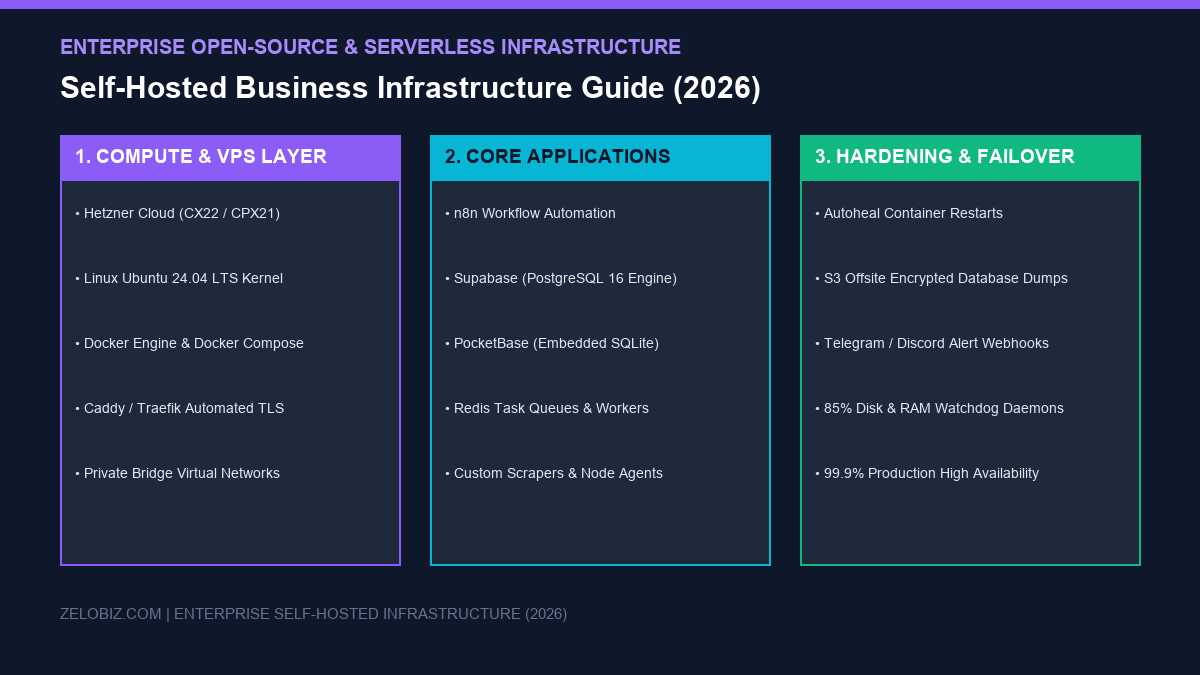
Self-hosted business infrastructure 2026 blueprint infographic

Between per-task automation pricing, usage-based cloud database read fees, and expensive per-host monitoring subscriptions, the modern business software stack has become a compounding financial liability. Scaling an agency or SaaS startup from 5,000 to 100,000 monthly operations routinely drives monthly software bills on platforms like Zapier, Firebase, and Datadog from $150 to well over $1,800 … Read more

Docker Container Health Monitoring & Telegram Alert Webhooks: Automated Production Failover (2026)

Docker container health monitoring and Telegram alert webhooks 2026 infographic

Self-hosting mission-critical business tools—such as n8n workflow engines, Supabase backends, Redis queues, and Server-Side GTM containers—slashes monthly SaaS expenditures by over 80%. However, running self-hosted infrastructure introduces a dangerous operational vulnerability: silent container failure. If an out-of-memory (OOM) leak or disk saturation abruptly crashes your webhook container at 2:00 AM, you often remain unaware until … Read more

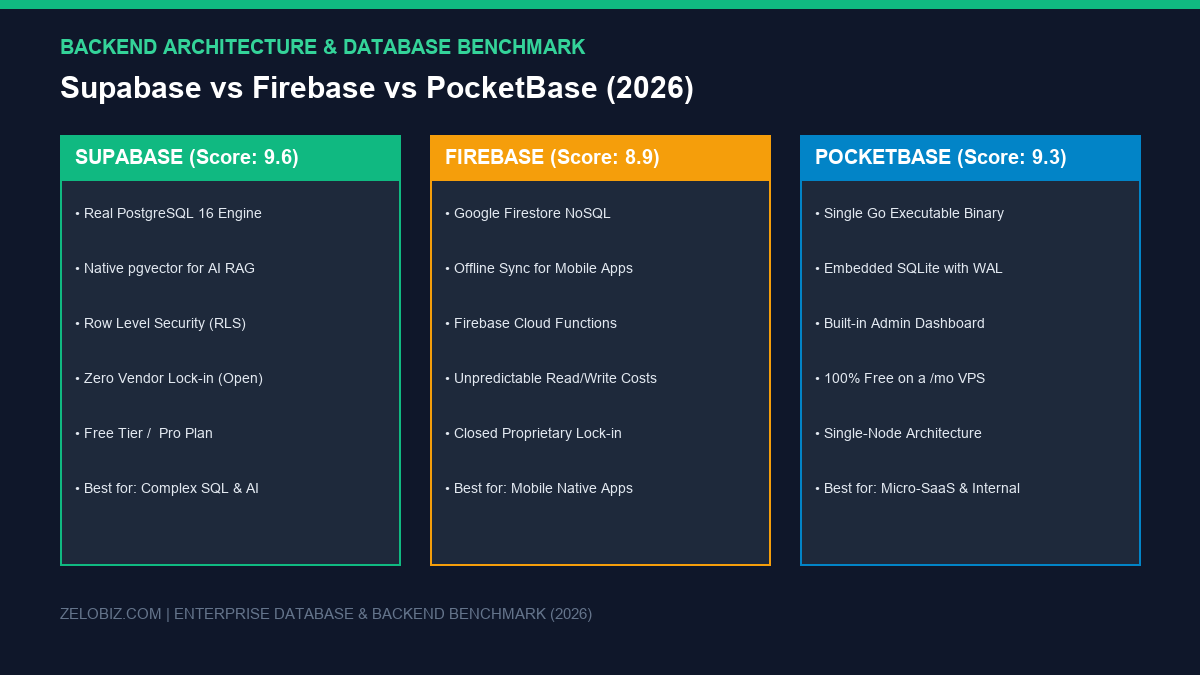
Supabase vs Firebase vs PocketBase (2026): The Definitive Backend Benchmark for Modern Apps & Workflows

Supabase vs Firebase vs PocketBase 2026 database architecture comparison infographic

Selecting the backend architecture for your web application, internal admin portal, or automated webhook ingestion pipeline is the single most consequential technical decision an engineering team makes. A poor architectural choice either traps your business inside proprietary vendor ecosystems with runaway pay-per-read invoices, or bogs down developers in relentless database migrations when relational data integrity … Read more